Keeping The Lights On
A photographic project about illegal dumping in Portugal, the domestic lives that remain inside it, and the place we call “away.”
When something is thrown away, it does not disappear. It is moved. Away is not an absence but a location: a verge along a backroad, a clearing near a motorway, a strip of pine and eucalyptus just out of sight of the houses. These sites are hidden from view but easy to reach, and that combination is what makes them useful. They hold what we no longer want to see, close enough to drive to and far enough to forget.
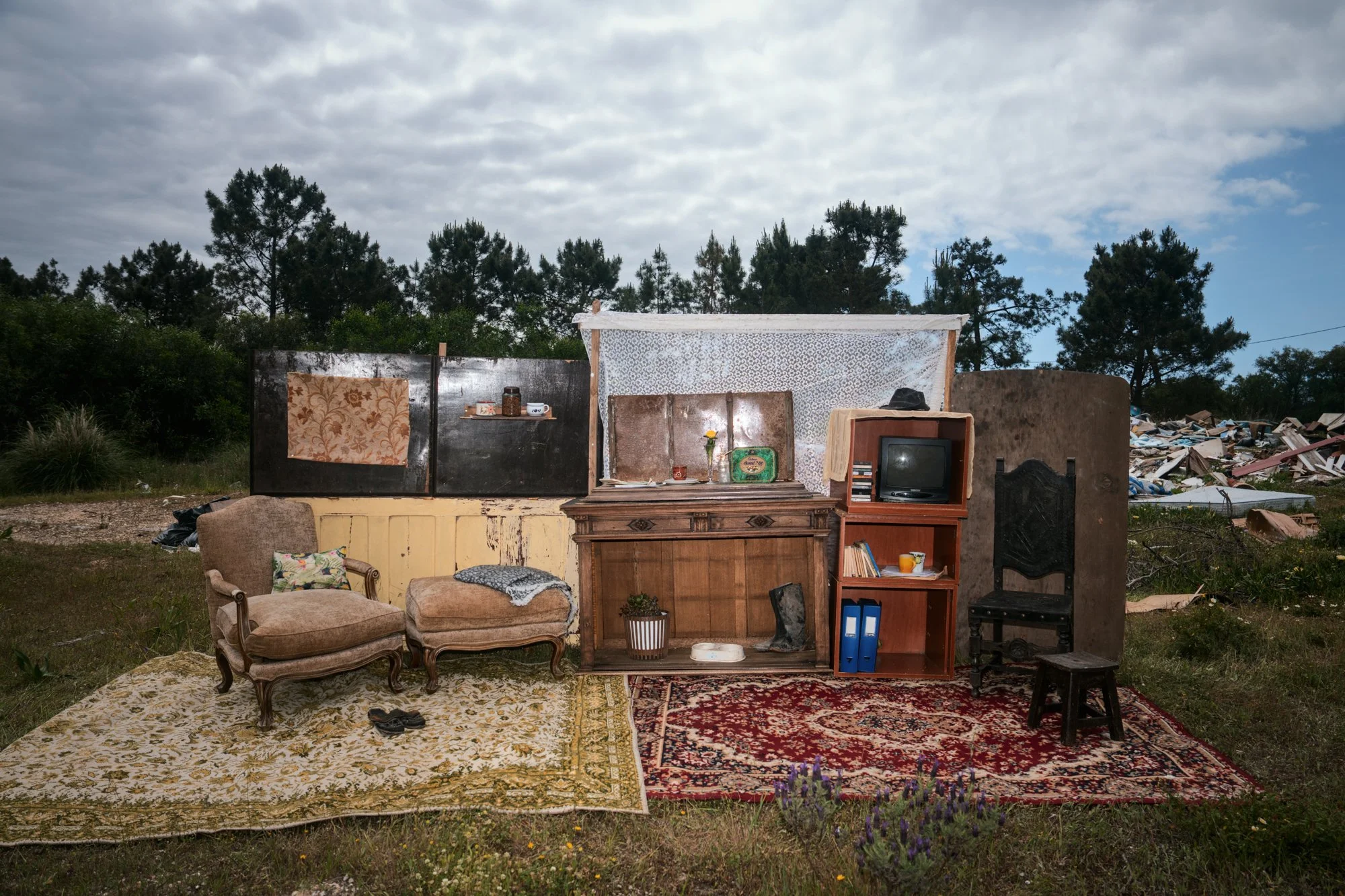
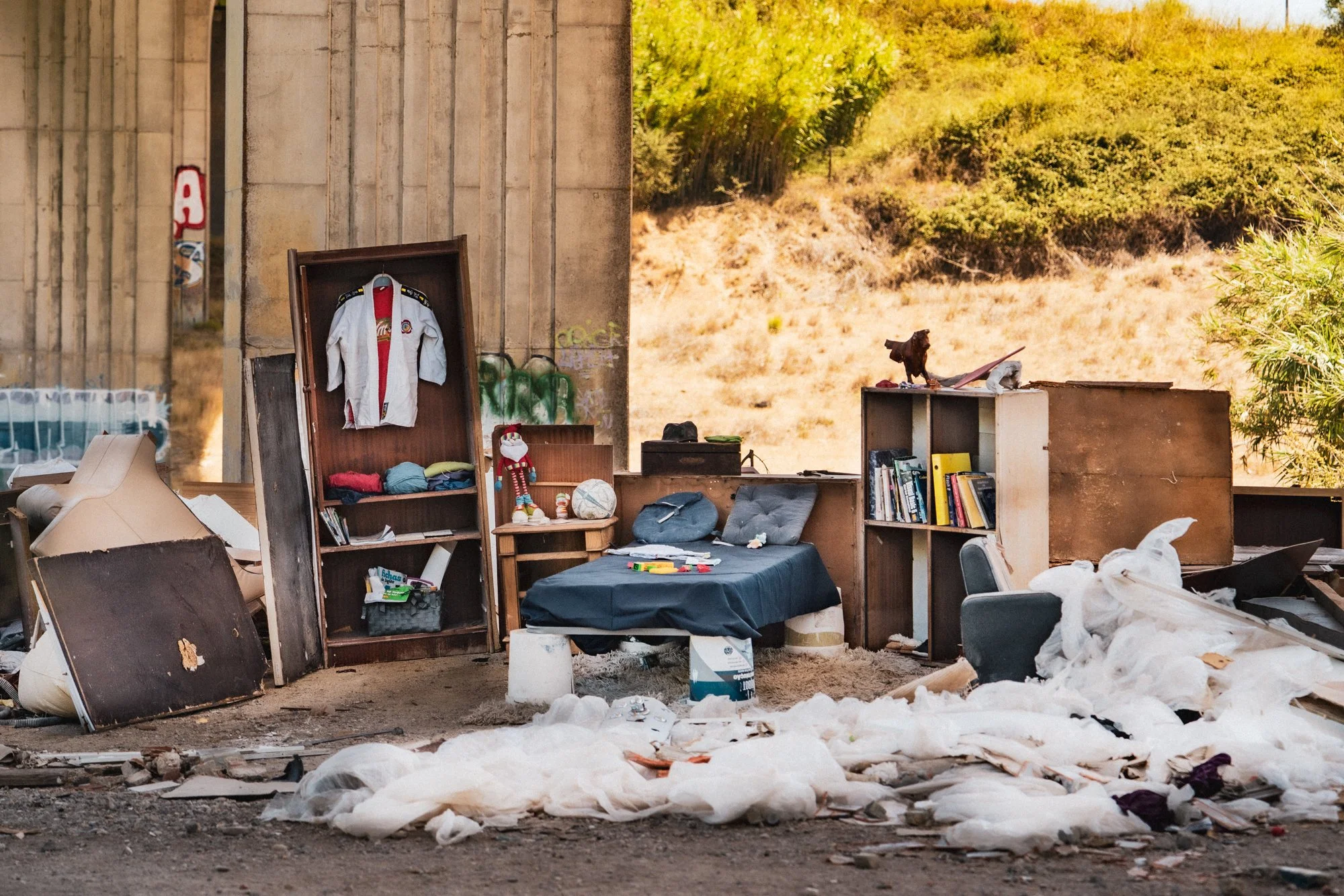
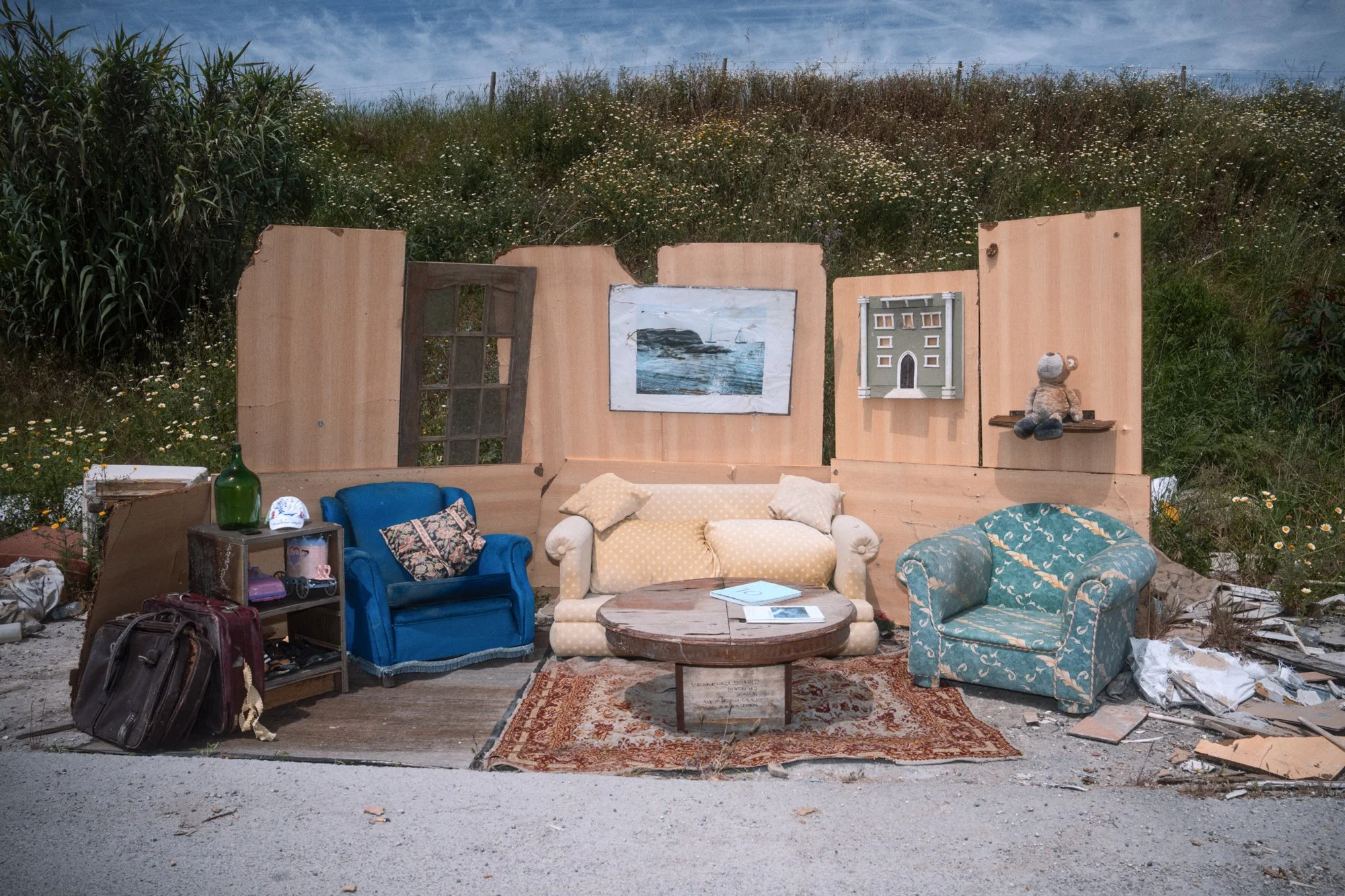
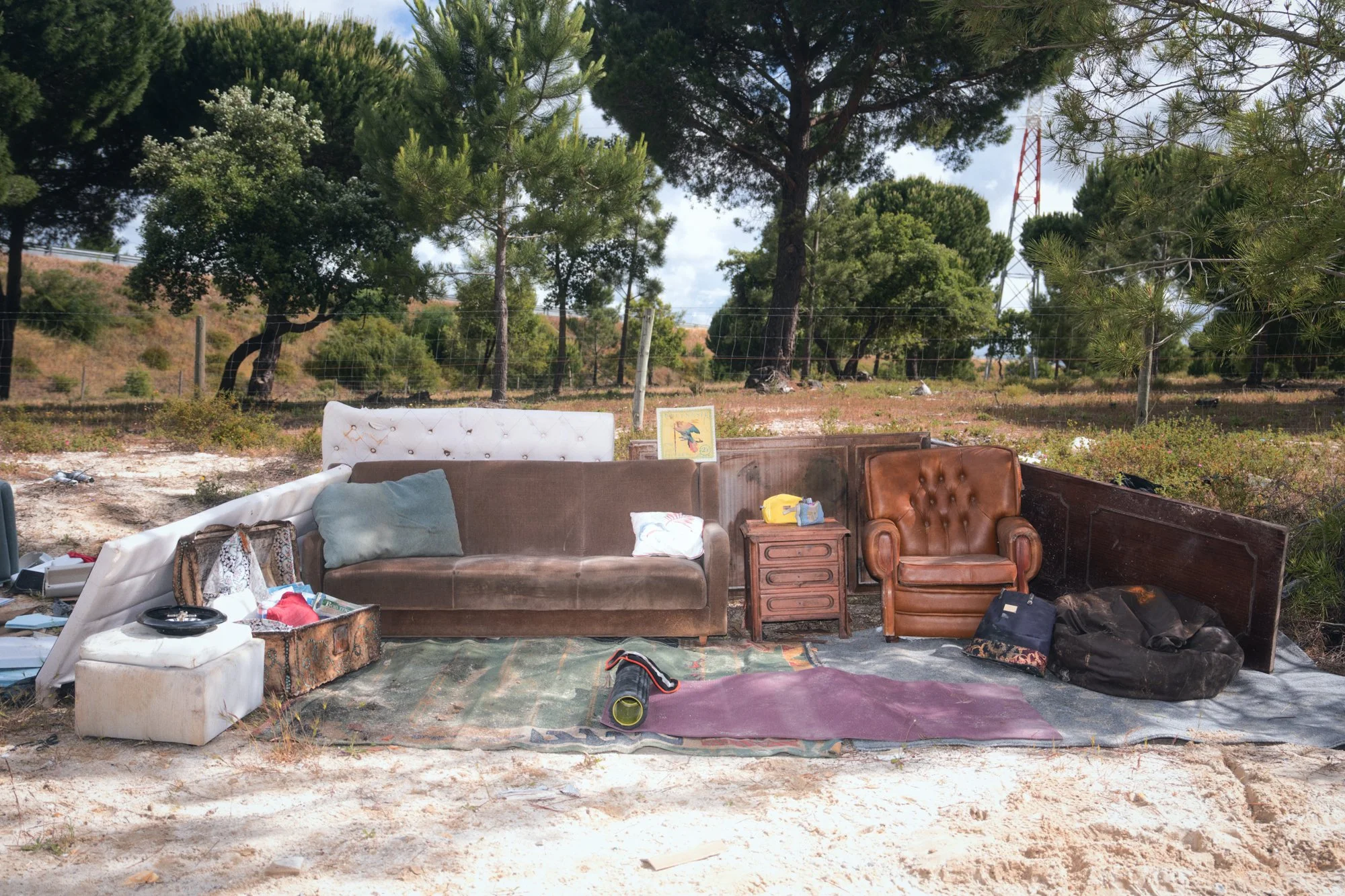
What is left there is more than waste. Beds, wardrobes, toys, lamps, clothing and family objects collect in the landscape, forming the remains of entire households. I find these places by driving through the areas around where I live and studying satellite maps for spaces that are accessible but concealed. From above, many are easy to recognise: pale marks in the green, small ruptures at the edge of a road.
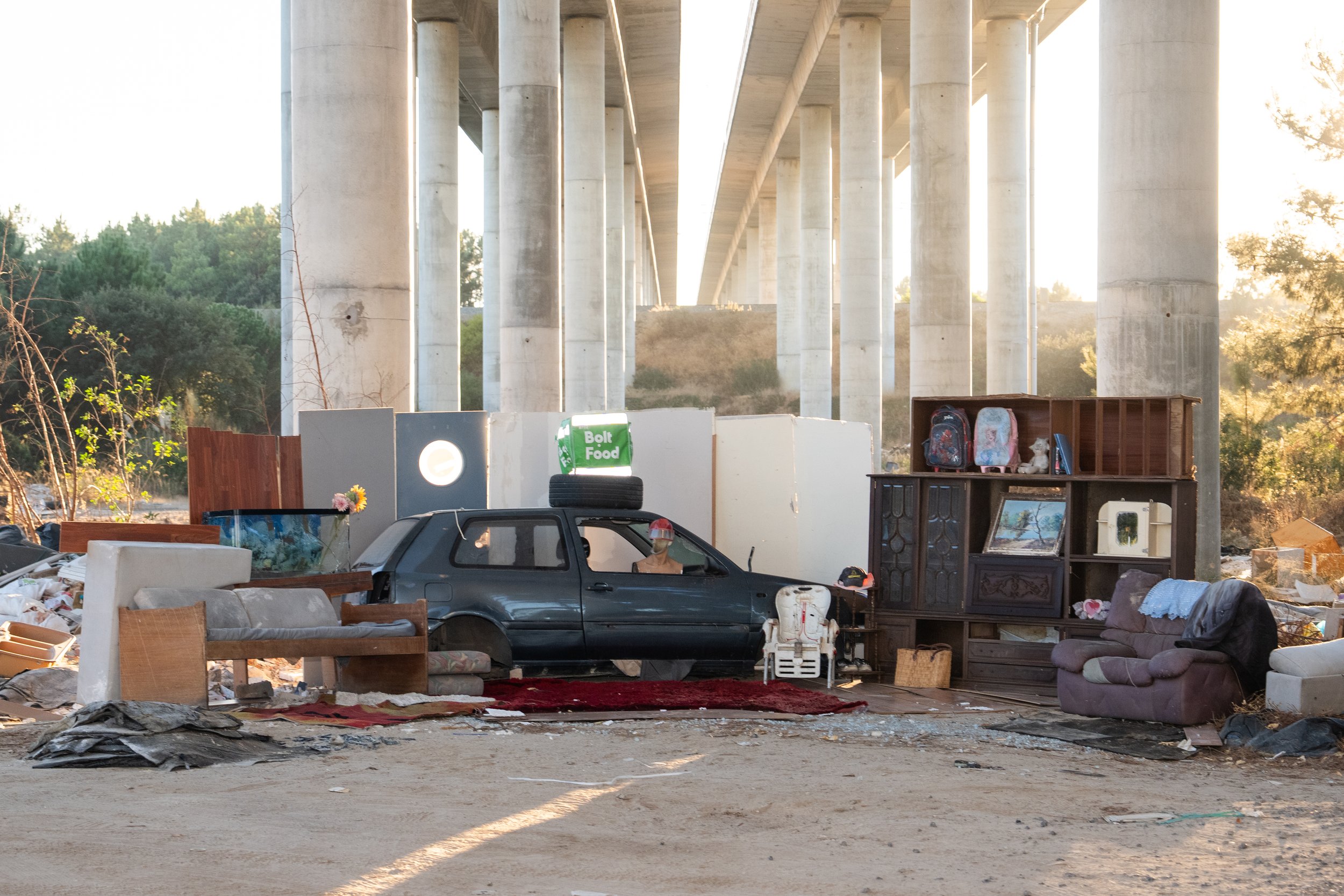
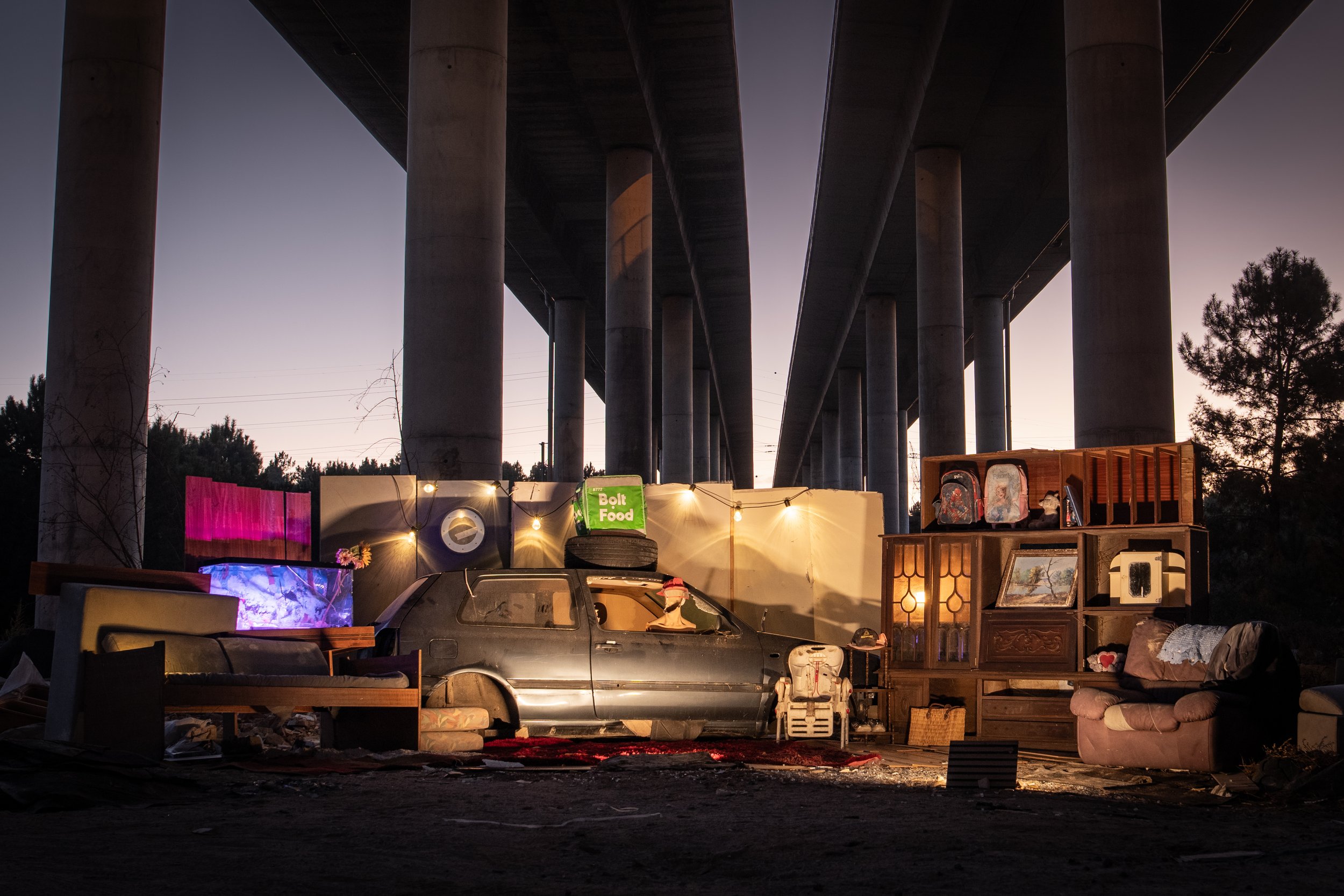
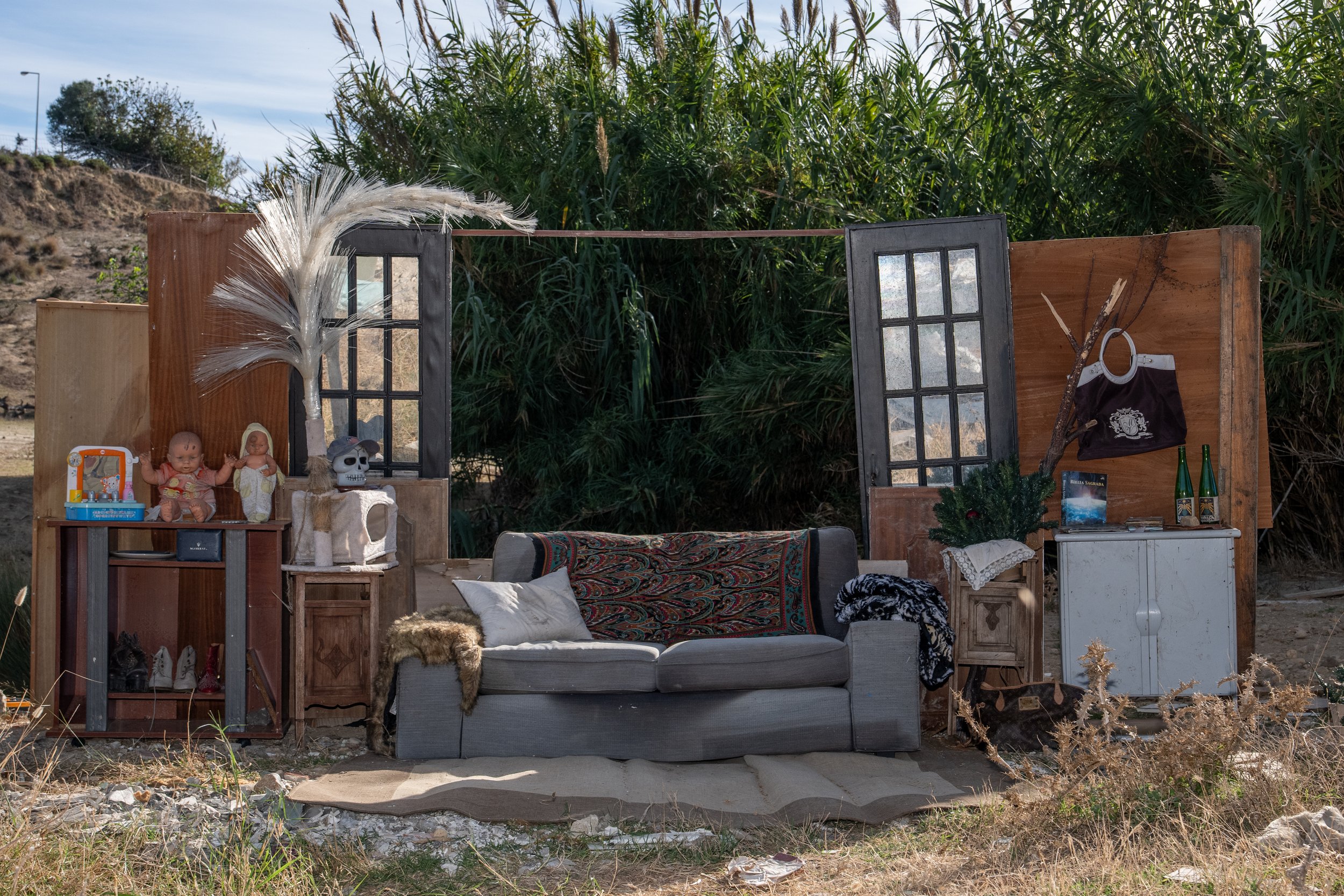
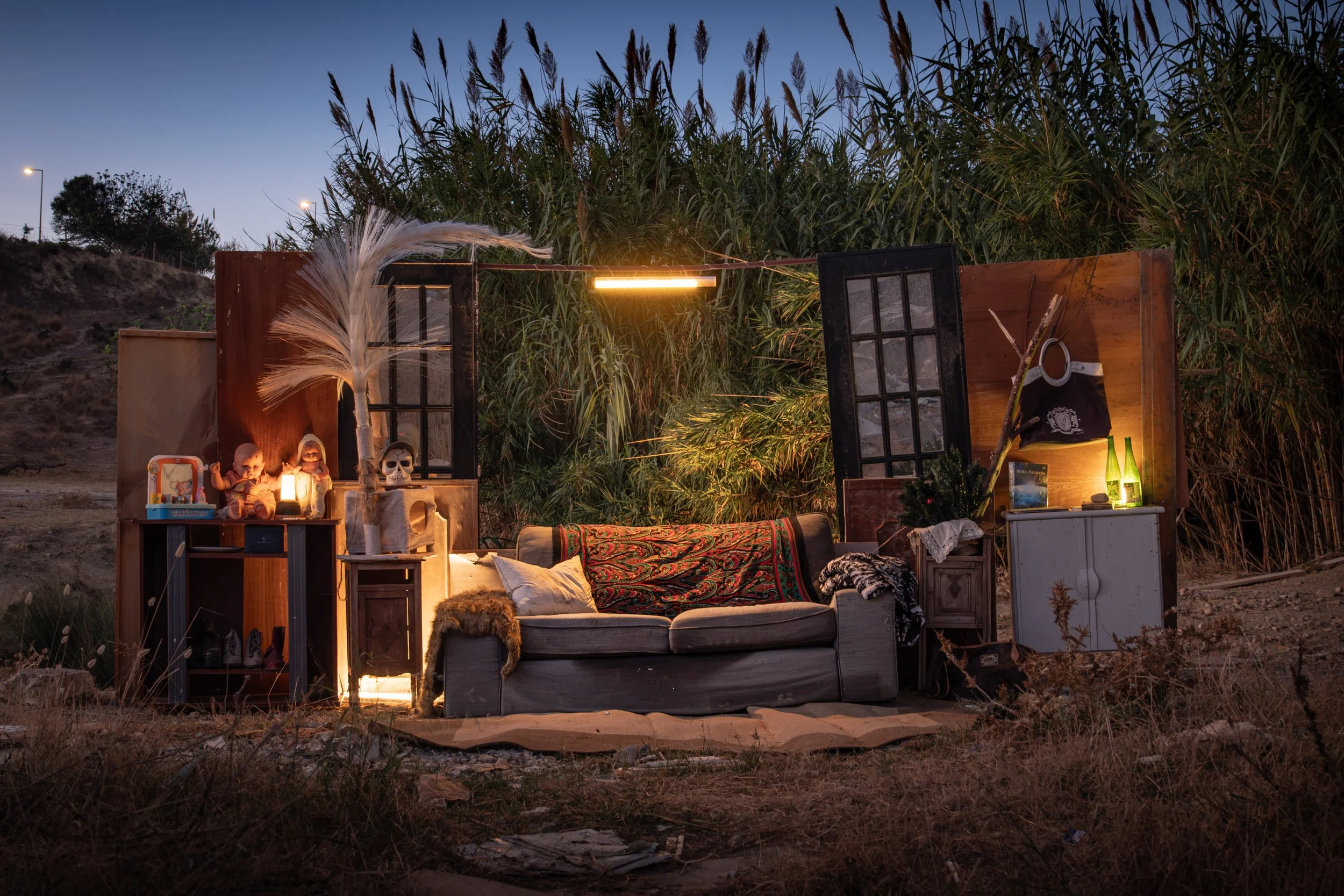
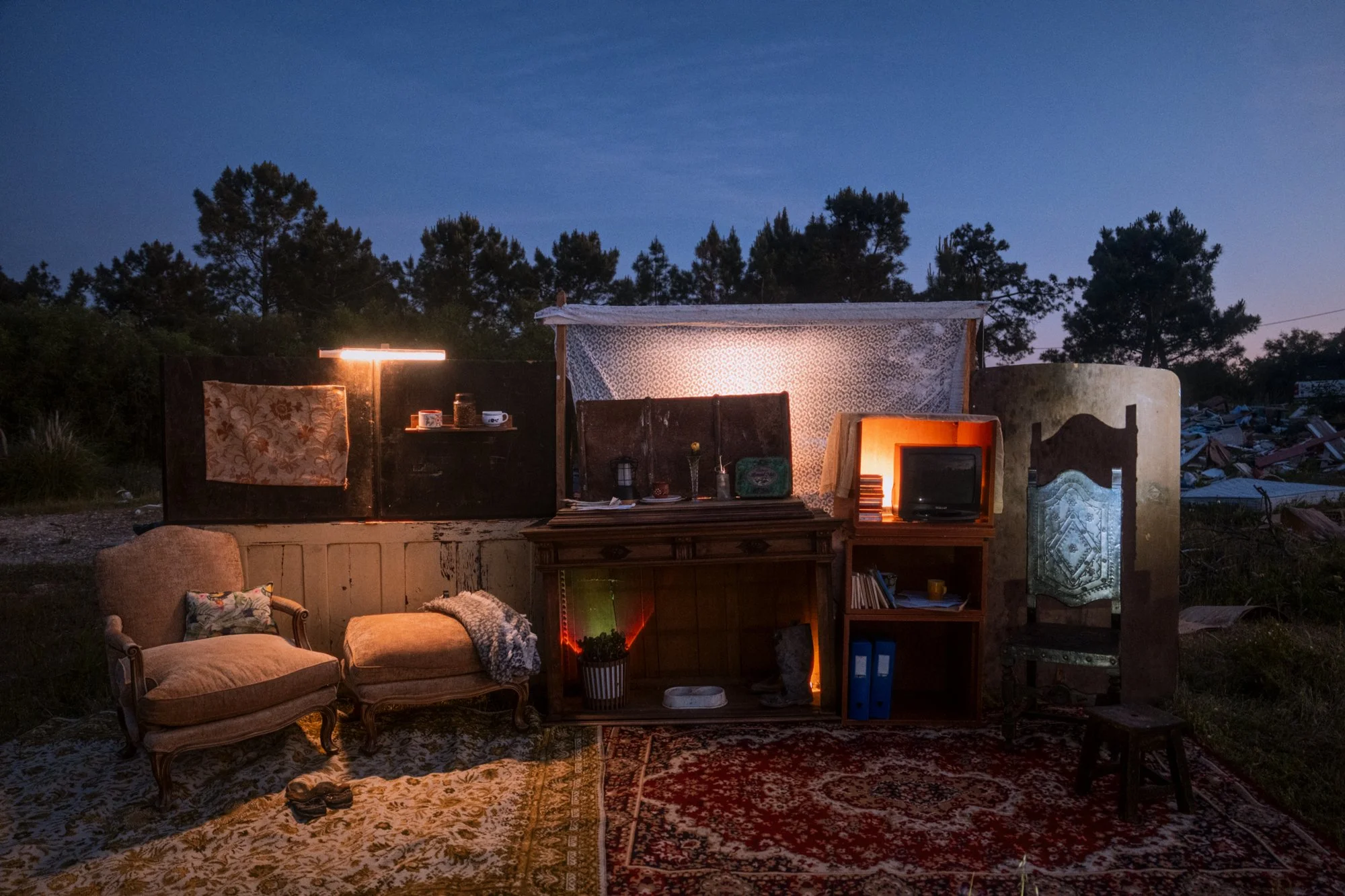
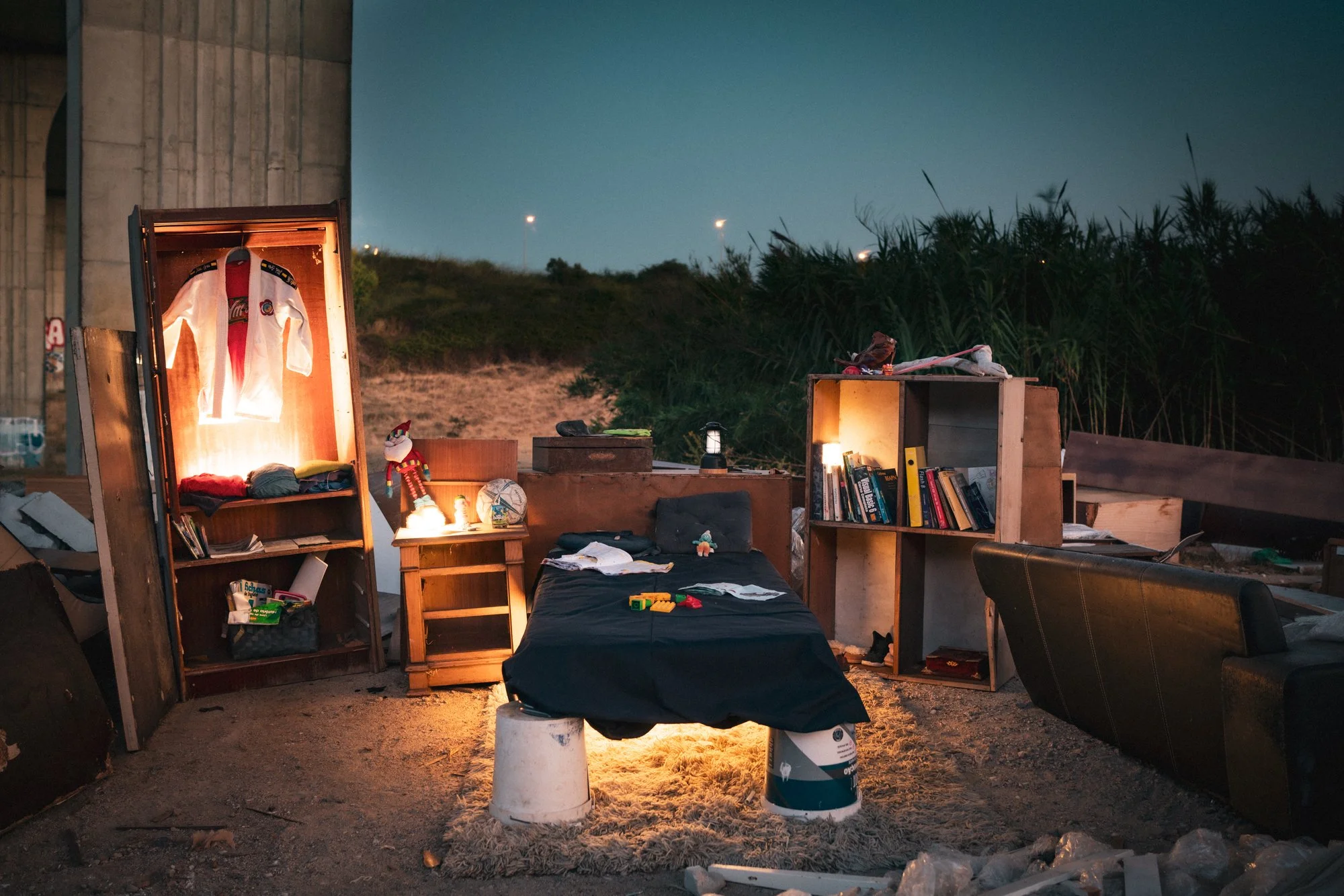
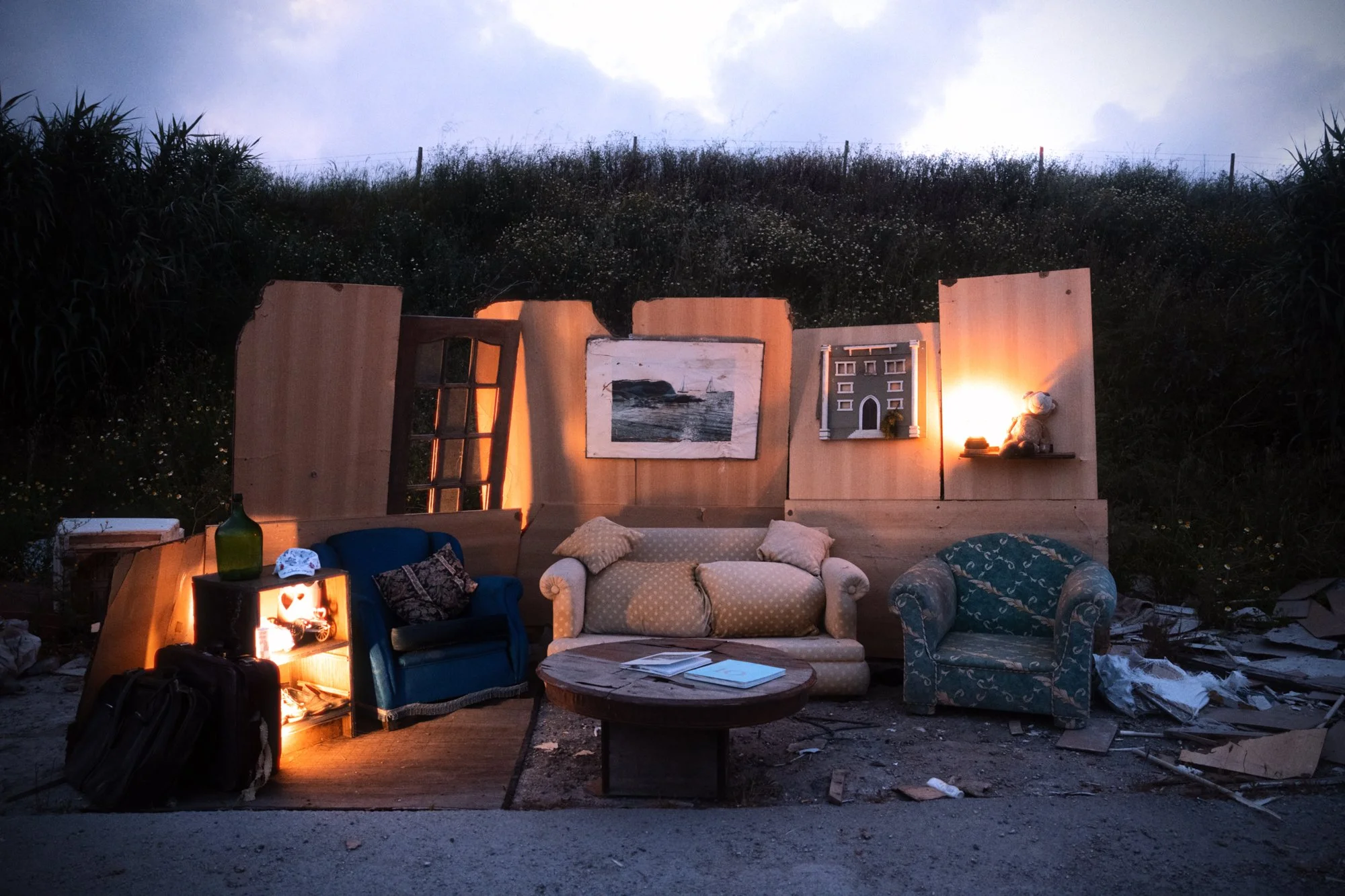
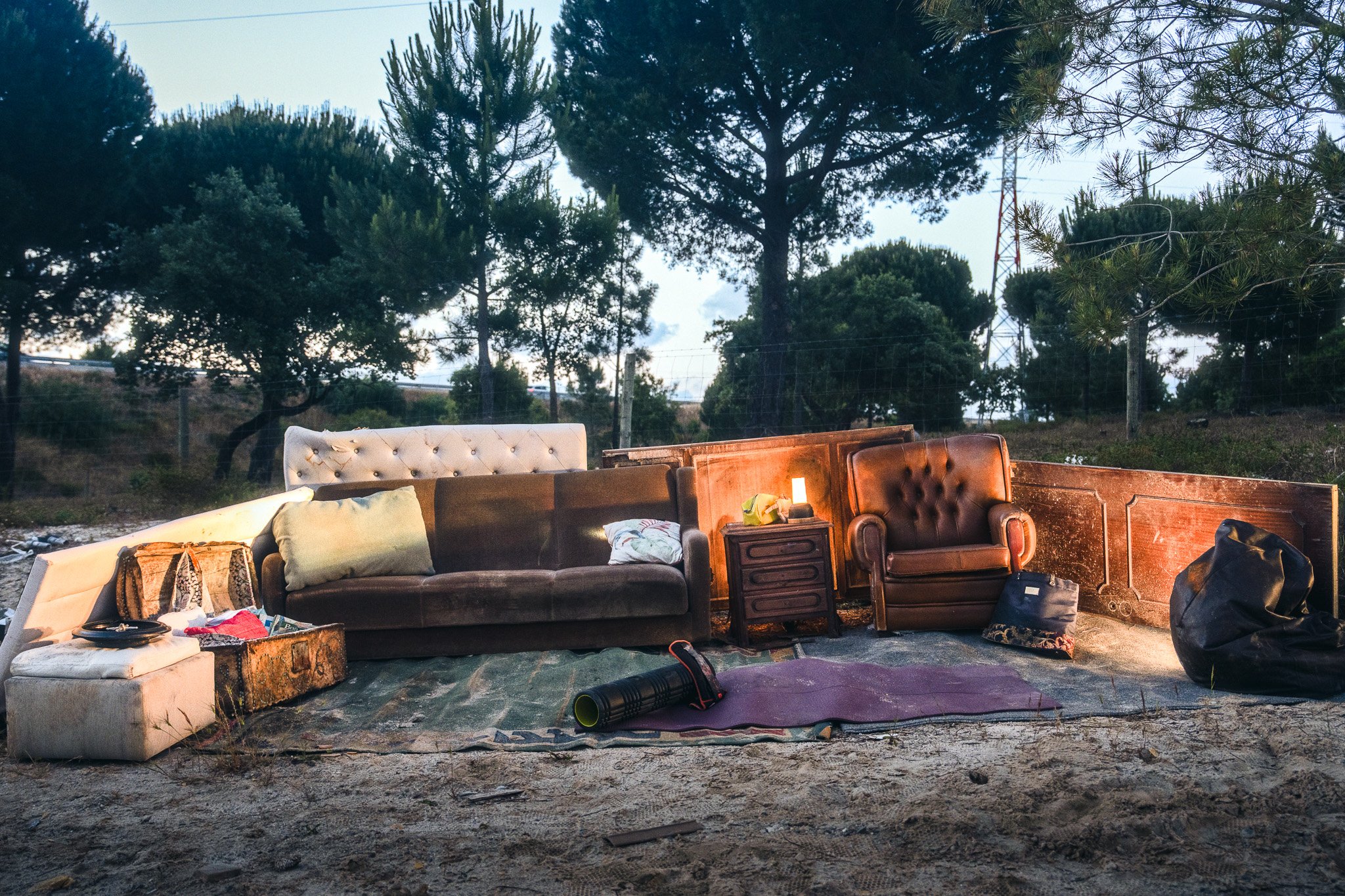
At each site, I spend time looking through what has been left behind. I collect objects that appear to belong together and use them to reconstruct the room they may once have occupied. Each reconstruction is assembled on location using only discarded materials found at the site. Once complete, the room is lit and photographed, temporarily resembling a home again.
The work is concerned with this transformation. An object can move from private possession to public waste without physically changing. What changes is the way it is seen. A mattress in a bedroom is furniture; the same mattress in a ditch is rubbish, and then, slowly, it becomes part of the ground. Foam crumbles, chipboard swells and splits, paints and treated surfaces weather into soil and water. The landscape does not treat these objects as abandoned. It absorbs them. Away, it turns out, is a place that has to live with whatever we send there.
By rebuilding these spaces, I am not trying to restore their original stories. Those remain unknown. Instead, I give the objects a temporary structure in which they can be noticed again, bringing the domestic back into contact with the land it was left on. Each photograph holds two things at once: a room, and the ground beneath it.
Keeping the Lights On asks what we decide is worth keeping, what becomes invisible once it is discarded, and whether attention itself can return value to something abandoned. It also asks where away actually is, who it belongs to, and what it costs the land to hold what we would rather not see.